
Wonach suchst du?

Der Neigungswinkel von Solarmodulen beeinflusst maßgeblich, wie viel Sonnenlicht sie einfangen und wie effizient sie das ganze Jahr über Strom erzeugen. Sie funktionieren zwar auch in verschiedenen Winkeln, aber die richtige Neigung sorgt langfristig für mehr Energie und optimiert das gesamte System.
Ein gängiger Tipp ist, die Neigung des Solarpanels an den Breitengrad des Standorts anzupassen. Bei einer Installation auf 25° nördlicher Breite sollte das Panel beispielsweise um etwa 25° geneigt werden, um ganzjährig gleichmäßiges Sonnenlicht zu erhalten. Dies wird häufig von Hausbesitzern und Unternehmen angewendet, die eine konstante Energieversorgung benötigen.
Die Jahreszeit, in der Sie den größten Energiebedarf haben, beeinflusst auch den optimalen Neigungswinkel der Solarmodule. Benötigen Sie im Winter mehr Strom, können Sie die Module in einem steileren Winkel montieren. So fangen sie mehr Sonnenlicht ein, wenn dieses tiefer steht. Benötigen Sie hingegen im Sommer mehr Strom – beispielsweise zur Bewässerung von Feldern oder zur Kühlung –, ist ein flacherer Neigungswinkel sinnvoll, um die hochstehende Sommersonne optimal zu nutzen.
Die Art Ihres Daches spielt eine wichtige Rolle. Bei einem Schrägdach werden die Solarmodule in der Regel einfach bündig mit der Dachfläche montiert. Oftmals ist das Dach bereits optimal für die Stromerzeugung geneigt, sodass keine Anpassung nötig ist. Bei einem Flachdach hingegen benötigen Sie spezielle Rahmen, die die Module im richtigen Winkel ausrichten. Diese Rahmen müssen windstabil und gleichzeitig nicht zu schwer für das Dach sein.
Wenn Sie Ihre Solarpaneele auf dem Boden Sie haben die größte Auswahl an Neigungswinkeln. Da Sie sich keine Gedanken um das Dach machen müssen, können Sie die Module optimal an Ihre Gegebenheiten und Ihre gewünschten Ergebnisse anpassen. Dies ist ideal für große Solarparks und -anlagen, wo die maximale Ausbeute jedes einzelnen Moduls entscheidend ist. Einige dieser Systeme ermöglichen sogar die Anpassung des Neigungswinkels an die Jahreszeiten, was die Effizienz zusätzlich steigern kann.
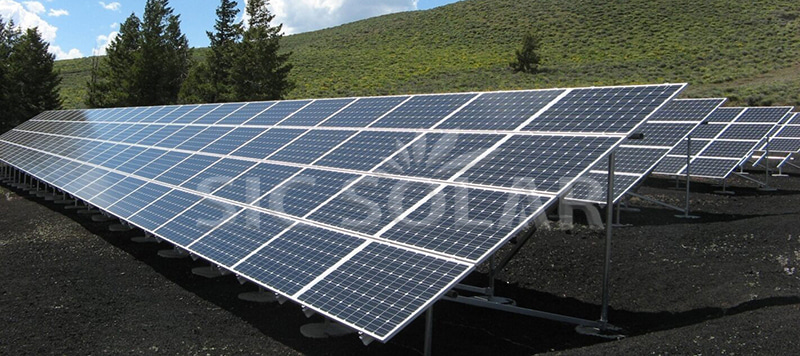
Der Rahmen, der die Paneele hält, ist genauso wichtig wie der Winkel. Er muss die Paneele im richtigen Winkel fest fixieren und jahrelang Wind, Schnee und Witterungseinflüssen standhalten. Firmen wie SIC Solar Diese Rahmen eignen sich für alle Arten von Aufstellungsarten – Schrägdächer, Flachdächer, ebenerdige Aufstellung und Carports. Sie sorgen dafür, dass die Paneele im gewählten Winkel bleiben und lange halten.
Der Abstand zwischen den Paneelreihen hängt auch vom Neigungswinkel ab. Bei einem steileren Winkel ist mehr Platz nötig, damit sich die Paneele nicht gegenseitig die Sonneneinstrahlung versperren, insbesondere im Winter, wenn die Sonne tief steht. Bei richtiger Planung erhält jedes Paneel ausreichend Sonnenlicht, und die gesamte Anlage funktioniert einwandfrei.
Anstatt also einfach für alles einen Winkel zu wählen, sollten Sie überlegen, wo Sie sich befinden, welche Art von Gebäude Sie haben, wann Sie am meisten Strom benötigen und welche Art von Rahmen Sie verwenden. Mit der richtigen Neigung und einem stabilen Rahmen können Ihre Solarmodule optimal funktionieren und Ihnen jahrelang saubere Energie liefern.



 IPv6 Netzwerk unterstützt
 Deutsch
  English
 español
 português
 Nederlands
 العربية
 日本語
日本語 한국의
한국의 Melayu
 Tiếng việt