
Wonach suchst du?

Metalldächer Metalldächer gelten weithin als eine der besten Oberflächen für die Installation von Solarmodulen. Ihre Langlebigkeit, Stabilität und Kompatibilität mit modernen Montagesystemen machen sie ideal für Photovoltaikprojekte im privaten und gewerblichen Bereich. Angesichts der zunehmenden Nutzung von Solarenergie entscheiden sich immer mehr Immobilienbesitzer für Metalldächer als Grundlage für langlebige Solaranlagen.
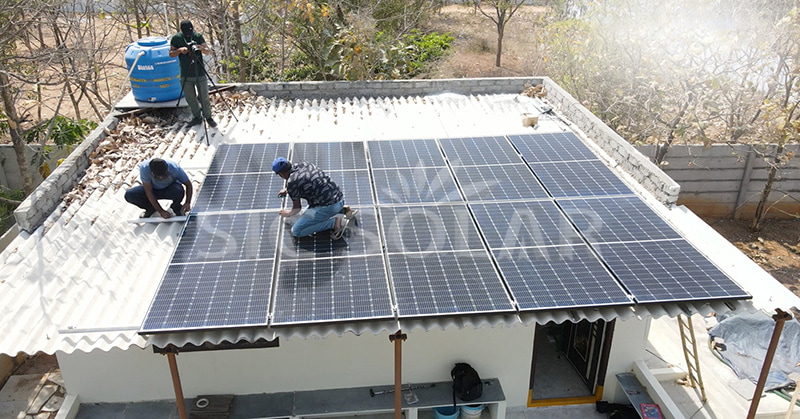
Einer der Hauptgründe, warum Metalldächer ideal für Solaranlagen sind, ist ihre lange Lebensdauer. Ein hochwertiges Metalldach hält oft 40 bis 70 Jahre, was gut mit der Lebensdauer von Solarmodulen übereinstimmt. Da die meisten Photovoltaikanlagen für einen Betrieb von 25 Jahren oder mehr ausgelegt sind, verringert die Installation auf einem robusten Dach die Wahrscheinlichkeit eines Dachaustauschs während der Lebensdauer der Anlage. Dadurch werden die zusätzlichen Kosten und der Aufwand für die Demontage und Neuinstallation der Solarmodule vermieden.
Ein weiterer wesentlicher Vorteil ist die strukturelle Festigkeit. Metalldächer sind so konstruiert, dass sie extremen Witterungsbedingungen wie starkem Wind, Starkregen und Schneelasten standhalten. Diese hohe Stabilität bietet eine ideale Basis für Solaranlagen. In vielen Fällen können Metalldächer Solarmodule tragen, ohne dass umfangreiche strukturelle Verstärkungen erforderlich sind.
Die Installationseffizienz ist ein weiterer wichtiger Vorteil. Bestimmte Metalldacharten, insbesondere Stehfalzdächer, ermöglichen die Montage von Solaranlagen ohne Dachdurchdringung. Spezielle Klemmen werden direkt an den erhöhten Dachfalzen befestigt, wodurch das Bohren von Löchern entfällt. Diese nicht-penetrierende Installationsmethode trägt dazu bei, die Wasserdichtigkeit des Daches zu erhalten und das Risiko von Leckagen zu reduzieren.
Auch bei Well- oder Trapezblechdächern lassen sich Montagesysteme mithilfe von selbstschneidenden Schrauben und wasserdichten Dichtungselementen effizient installieren. Eine fachgerechte Montage gewährleistet eine sichere Verbindung und schützt gleichzeitig vor Wassereintritt.
Metalldächer bieten zudem eine hervorragende Kompatibilität mit Solarmontagesystemen. Hersteller wie beispielsweise SIC Solar Wir bieten eine Vielzahl von Montagelösungen speziell für Metalldächer an, darunter Stehfalzklemmen, Schienen und Dachhalterungen. Diese Systeme sind so konstruiert, dass sie die Montagegeschwindigkeit, die strukturelle Zuverlässigkeit und die Langlebigkeit verbessern.
Ein weiterer Vorteil ist die Wärmereflexion. Metalldächer reflektieren naturgemäß mehr Sonnenlicht als einige herkömmliche Dachmaterialien und tragen so zur Reduzierung der Wärmeaufnahme bei. In Kombination mit dem Luftspalt unter den Solarmodulen kann dies durch niedrigere Betriebstemperaturen zu einer verbesserten Moduleffizienz beitragen.
Das Gewicht ist ein weiterer wichtiger Faktor. Metalldachmaterialien sind im Allgemeinen leichter als Ziegel- oder Betondächer. Dadurch kann die Gesamtlast des Gebäudes reduziert werden, selbst nach der Installation von Solarmodulen und Montagekomponenten.
Die Wartungsfreundlichkeit ist ebenfalls vergleichsweise hoch. Metalldächer verfügen in der Regel über glatte und widerstandsfähige Oberflächen, die es Monteuren und Wartungspersonal ermöglichen, Inspektionen und Reparaturen sicher durchzuführen. Darüber hinaus sind Metalldächer riss- und verschleißfest, was zu ihrer langfristigen Leistungsfähigkeit beiträgt.
Die ökologische Nachhaltigkeit trägt zusätzlich zur Attraktivität von Metalldächern bei. Viele Metalldachmaterialien sind recycelbar und eignen sich daher gut für erneuerbare Energiesysteme, die auf die Reduzierung der Umweltbelastung abzielen.
Die Kombination aus Langlebigkeit, Festigkeit, Wasserdichtigkeit und einfacher Montage macht Metalldächer zu einer der praktischsten Optionen für die Installation von Solaranlagen. Mit zuverlässigen Montagesystemen und einer fachgerechten Planung ermöglichen Metalldächer eine effiziente Solarenergieerzeugung über Jahrzehnte.



 IPv6 Netzwerk unterstützt
 Deutsch
  English
 español
 português
 Nederlands
 العربية
 日本語
日本語 한국의
한국의 Melayu
 Tiếng việt