
Wonach suchst du?

Die richtige Vorbereitung für das Setzen Solarpaneele auf schrägen Dächern Es ist extrem wichtig, dass alles sicher ist, lange hält und einwandfrei funktioniert. Wenn Sie Solarmodule auf einem Haus oder einem kleinen Gewerbebetrieb installieren, ist es gut, die einzelnen Komponenten dieser Systeme zu kennen, um die richtige Wahl treffen zu können.
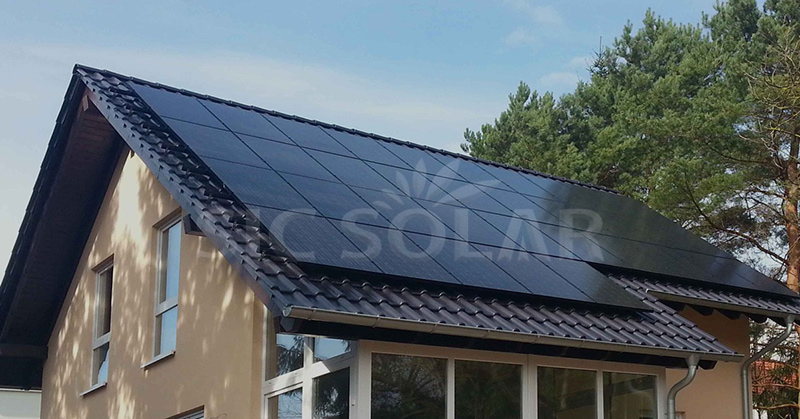
Das tragende Element ist die Dachverbindung. Dieses Bauteil befestigt die Konstruktion an den tragenden Teilen des Daches, wie beispielsweise den Balken. Unterschiedliche Dächer benötigen unterschiedliche Verbindungselemente. Bei Ziegeldächern verwendet man beispielsweise Stahlhaken, die unter die Ziegel geschoben werden. Bei Metalldächern kommen Bolzen oder Klemmen zum Einsatz. Diese Elemente sind so konstruiert, dass sie Wind und Schnee standhalten, ohne das Gebäude zu beschädigen.
Die üblicherweise aus Aluminium gefertigten Schienen sitzen auf diesen Verbindungsstücken. Sie sorgen für eine gerade und ebene Auflagefläche der Solarmodule und tragen zur Gewichtsverteilung auf dem Dach bei. Hochwertige Schienen lassen sich an unebene Dächer anpassen und gewährleisten die korrekte Ausrichtung der Module. Unternehmen wie SIC Solar Wir fertigen Schienen mit standardisierten Profilen, wodurch diese mit verschiedenen Klemmen und Zubehörteilen kompatibel sind.
Klemmen befestigen die Solarmodule auf den Schienen. Die Endklemmen fixieren die Module an den Rändern, die Mittelklemmen verbinden sie in der Mitte. Diese Klemmen müssen stabil, aber gleichzeitig flexibel sein, damit die Module bei Witterungsschwankungen nicht beschädigt werden. Die Konstruktion der Klemmen trägt außerdem zu einer schnelleren Montage bei.
Die Abdichtung ist ebenfalls unerlässlich. Da die meisten Dachsysteme das Bohren von Löchern im Dach erfordern, ist die Beseitigung von Leckagen entscheidend. Dichtungsbänder und -materialien halten Wasser fern und schützen das Dach. Gute Systeme verfügen über diese integrierten Funktionen, sodass das Dach trocken bleibt.
Die Erdungskomponenten gehören üblicherweise ebenfalls zur Installation. Erdungsklemmen oder -clips gewährleisten den korrekten Stromfluss zwischen den Modulen und dem Erdungskabel. Dies sorgt für Sicherheit und vereinfacht die Installation, da weniger Verkabelung erforderlich ist.
Schließlich kommt es auch auf Kleinigkeiten wie Schrauben, Muttern und Kabelklemmen an. Sie sorgen für eine längere Lebensdauer, ein ansprechendes Aussehen und eine einwandfreie Funktion des Systems. Unternehmen, die sich auf solche Systeme spezialisiert haben, verwenden rostbeständige Materialien wie Stahl, sodass alles auch im Außenbereich jahrelang funktioniert.
All diese Faktoren zusammen ergeben ein solides System, das es ermöglicht, Solarpaneele auf schrägen Dächern zu montieren, ohne Probleme für die Struktur, die Sicherheit oder das Aussehen zu verursachen.



 IPv6 Netzwerk unterstützt
 Deutsch
  English
 español
 português
 Nederlands
 العربية
 日本語
日本語 한국의
한국의 Melayu
 Tiếng việt